TMJ Disorder: Causes, Symptoms, and Treatment Options
If you feel a clicking sound when you open your mouth, notice your jaw getting stuck, or feel soreness near your ears while chewing, you may be dealing with a temporomandibular joint (TMJ) disorder. This condition affects the joint that connects your lower jaw to your skull, and it is more common than most people realise. At Usha Dental Clinic in Sector 15, Gurugram, we see patients with these symptoms regularly, and the good news is that most cases respond well to simple, conservative treatment.
What Is TMJ Disorder?
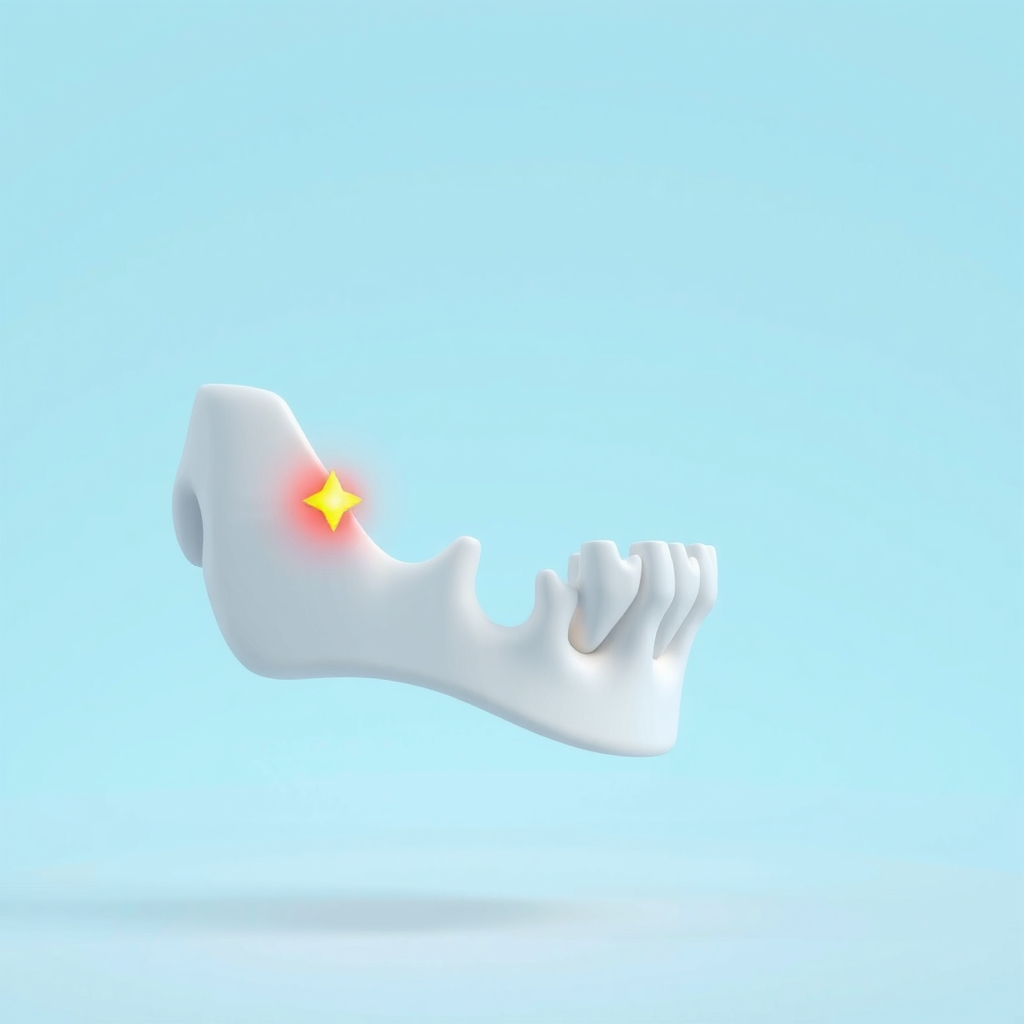
The temporomandibular joint acts like a sliding hinge, connecting your jawbone to your skull on either side of your face. TMJ disorder refers to any problem affecting this joint or the muscles controlling jaw movement. It can range from mild discomfort to significant difficulty opening or closing your mouth.
Common Causes
- Teeth grinding or clenching (bruxism): Often happens during sleep or stressful periods, putting extra strain on the joint.
- Jaw injury: A blow to the face or jaw can misalign or damage the joint.
- Bite misalignment: Uneven contact between upper and lower teeth can overload the joint over time.
- Arthritis: Wear and tear or inflammatory arthritis can affect the joint's cartilage.
- Stress and muscle tension: Chronic stress often leads to unconscious jaw clenching, tightening the surrounding muscles.
- Poor posture: Prolonged forward head posture, common with desk work or phone use, can strain neck and jaw muscles.
Symptoms to Watch For
TMJ disorder symptoms vary from person to person, but the most common ones include:
- Clicking, popping, or grating sounds when opening or closing the mouth
- Pain or tenderness near the jaw, ear, or temple area
- Difficulty or discomfort while chewing
- Jaw locking in an open or closed position
- Headaches, especially around the temples
- A feeling that your upper and lower teeth do not fit together properly
These symptoms can appear on one side or both, and may come and go depending on stress levels or jaw use.
How TMJ Disorder Is Diagnosed
Diagnosis usually starts with a physical examination. Your dentist will check your jaw's range of motion, listen for clicking sounds, and gently feel the jaw muscles and joint for tenderness. They may also review your bite alignment and ask about habits like teeth grinding, nail biting, or chewing gum frequently. In some cases, dental X-rays or imaging may be recommended to get a clearer view of the joint structure.
Treatment Options
Most TMJ disorders are managed conservatively before any invasive treatment is considered. Common approaches include:
Home Care and Lifestyle Changes
- Eating softer foods for a few days to rest the jaw
- Applying warm or cold compresses to ease muscle tension
- Avoiding wide yawning, gum chewing, or hard foods like ice
- Practising gentle jaw stretches as advised by your dentist
Night Guards or Splints
If teeth grinding or clenching is contributing to your symptoms, a custom night guard can reduce pressure on the joint and protect your teeth from wear while you sleep.
Bite Correction
When an uneven bite is placing extra stress on the joint, your dentist may recommend minor adjustments to how your teeth meet, or other corrective options depending on the cause.
Physiotherapy or Muscle Relaxation Techniques
Gentle exercises and relaxation techniques can help loosen tight jaw muscles and improve joint mobility over time.
Medication
For short-term relief, your dentist may suggest pain relief or anti-inflammatory options to manage discomfort while other treatments take effect.
Severe or persistent cases that do not respond to conservative treatment may require further evaluation, but this is uncommon. Most patients see noticeable improvement with the steps above.
Cost Considerations
Treatment costs depend on what is causing your TMJ disorder and how it is managed. A simple consultation and examination is usually the most affordable step, while a custom night guard or bite adjustment involves additional cost. In Sector 15, Gurugram, the typical range for TMJ evaluation and basic conservative treatment tends to vary based on the specific plan your dentist recommends. Your dentist will explain expected costs clearly before starting any treatment.
When to See a Dentist
Occasional mild jaw clicking without pain often does not need urgent attention. However, you should book a consultation if you experience:
- Persistent jaw pain lasting more than a week or two
- Jaw locking that prevents normal opening or closing
- Pain that worsens with chewing or talking
- Frequent headaches linked to jaw tension
Early evaluation helps identify the cause and prevents the condition from becoming harder to manage later.
Have questions about your teeth?
Usha Dental Clinic · B6, Vinayak Plaza, Sector 15, Gurugram
Frequently asked questions
Is TMJ disorder permanent?
Not usually. Many cases improve with conservative measures like rest, warm compresses, and a night guard. Severe or long-standing cases may need ongoing management, but complete jaw fusion or permanent locking is rare.
Can TMJ disorder go away on its own?
Mild cases triggered by stress or a one-off jaw strain often settle within a few weeks with self-care. Persistent clicking, pain, or locking beyond a few weeks should be checked by a dentist.
Which doctor should I see for jaw clicking or pain?
A dentist experienced in TMJ evaluation is a good first step. They can examine your bite, jaw movement, and muscles, and refer you further if needed.
Does TMJ disorder affect chewing permanently?
For most people, chewing difficulty is temporary and improves once the underlying cause, such as muscle tension or bite imbalance, is treated. Untreated cases can worsen over time, so early evaluation helps.
Treatment costs mentioned on this page are indicative ranges for the Sector 15, Gurugram region. Your exact cost depends on your case and will be confirmed after a clinical examination at the clinic.