How Tobacco, Paan and Gutka Affect Your Teeth and Gums
If you smoke, chew tobacco, or use paan and gutka regularly, you may have already noticed yellow or brown stains on your teeth. But the damage often goes much deeper than appearance. At Usha Dental Clinic in Sector 15, Gurugram, we regularly see patients whose gums and teeth show long term effects of these habits, some reversible and some not. This article explains what actually happens inside your mouth and what you can do about it.
How Tobacco and Paan Affect Your Teeth
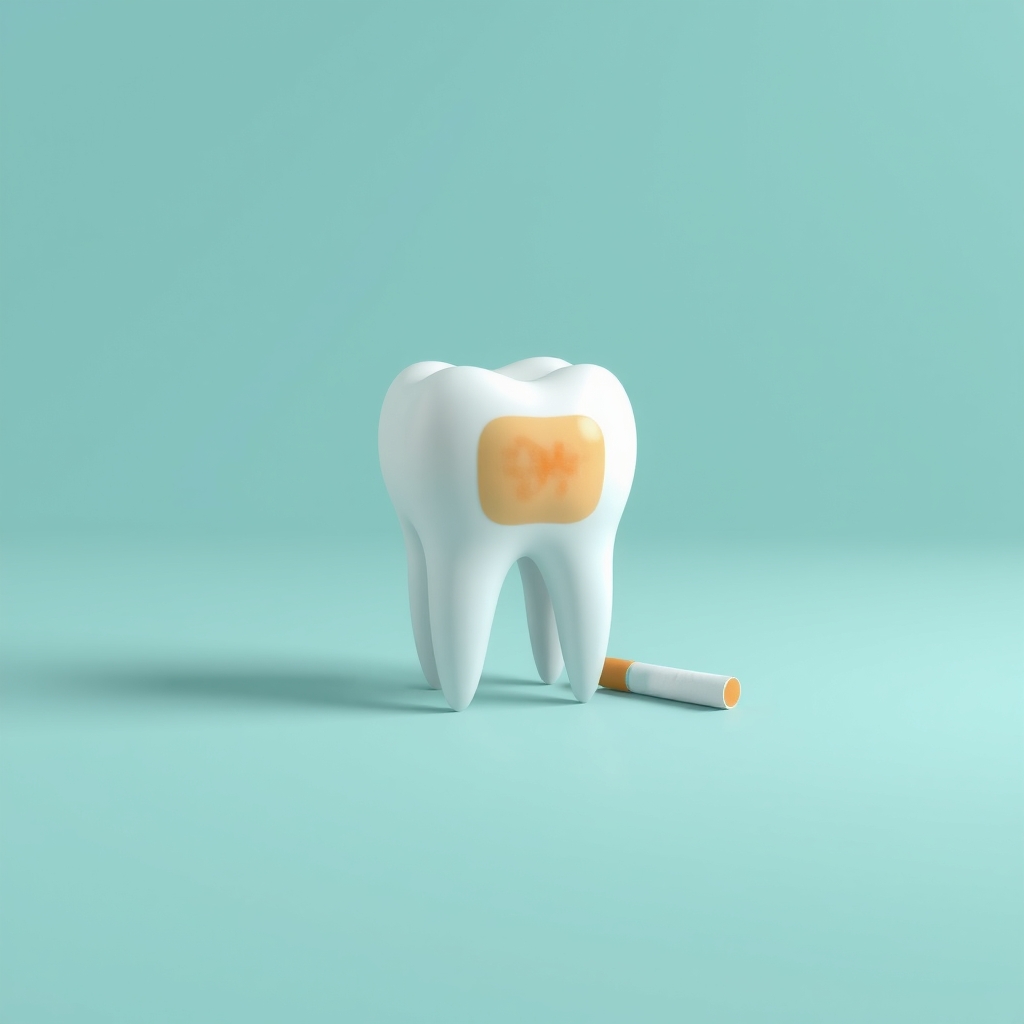
Tobacco smoke and chewing products contain tar and other chemicals that stick to the enamel surface. Over time this creates stubborn yellow, brown, or even black staining that regular brushing cannot remove. Paan and gutka, which often contain areca nut, lime, and tobacco, add their own reddish-brown staining and can also wear down enamel due to constant chewing and abrasive ingredients.
Beyond staining, these habits reduce saliva flow and change the balance of bacteria in the mouth. This increases the risk of cavities and makes existing dental problems harder to treat.
Effects on Gums and Oral Tissue
Gum disease is one of the most common and serious effects of tobacco use in any form. Nicotine restricts blood flow to the gums, which means less oxygen and fewer nutrients reach the tissue. This can hide early warning signs like bleeding, since reduced blood flow makes gums look deceptively healthy even as damage builds up underneath.
- Gums may recede, exposing tooth roots and causing sensitivity
- Pockets can form between teeth and gums, trapping bacteria
- Healing after any dental procedure, including extractions, is often slower
- Bad breath becomes more persistent and harder to manage
Paan and gutka use is also strongly linked to a condition called oral submucous fibrosis, where the inside of the cheeks and mouth become stiff and difficult to open fully. This is a serious condition that needs prompt dental and medical attention.
Increased Risk of Oral Disease
Regular use of smoking tobacco, chewing tobacco, and gutka is a well established risk factor for oral cancer, particularly when combined with alcohol use. Common warning signs to watch for include:
- A mouth ulcer or sore that does not heal within two weeks
- White or red patches inside the cheeks or on the tongue
- Unexplained lumps or thickened areas in the mouth
- Difficulty chewing, swallowing, or moving the jaw and tongue normally
If you notice any of these signs, please do not wait. Early detection makes a significant difference in treatment outcomes.
What Can Be Reversed, and What Cannot
The good news is that quitting at any stage brings real benefits. Surface staining can often be improved with professional cleaning and, where suitable, whitening treatments. Saliva flow and gum colour tend to improve within weeks of stopping tobacco use.
However, some damage is harder to reverse. Gum recession, bone loss around teeth, and tissue changes from long term use may need ongoing dental management rather than a complete cure. This is why early quitting, alongside professional treatment, gives the best results.
Typical Treatment and Cost Considerations
Costs depend on how much staining or gum damage has occurred. As a general guide for patients in Sector 15, Gurugram:
| Treatment | Typical Range (INR) |
|---|---|
| Professional cleaning and polishing | 1,200 to 3,000 |
| Teeth whitening (in-clinic) | 6,000 to 15,000 |
| Gum disease treatment (scaling and root planing) | 3,000 to 10,000 |
| Oral biopsy for suspicious patches, if needed | 2,000 to 6,000 |
These are typical ranges only, and your dentist will confirm an estimate after an examination.
Steps Toward Quitting and Recovery
- Set a quit date and tell family or friends for support
- Speak to a doctor about nicotine replacement options if needed
- Schedule a full dental check-up to assess current damage
- Follow up with regular cleanings every six months
- Watch for any unusual changes in your mouth and report them promptly
Quitting is rarely easy, but your mouth starts healing the moment you stop. Combining this with regular dental visits gives you the best chance of protecting your teeth and gums for the long term.
If you live or work near Sector 15, Gurugram and want a thorough check-up or guidance on managing tobacco related dental damage, the team at Usha Dental Clinic, B6, Vinayak Plaza, is here to help. Call +91 99990 87854 to book an appointment.
Have questions about your teeth?
Usha Dental Clinic · B6, Vinayak Plaza, Sector 15, Gurugram
Frequently asked questions
Can yellow stains from smoking be removed completely?
Surface stains can usually be reduced significantly with professional cleaning and polishing. Deep stains inside the tooth structure may need whitening treatments, and results vary depending on how long the habit has continued.
How soon do gums improve after quitting tobacco?
Many patients notice less bleeding and better gum colour within a few weeks of quitting, though gum tissue that has already receded or been damaged by disease does not fully grow back on its own.
Is paan masala safer than tobacco since it is flavoured?
No. Paan masala and gutka still contain areca nut and often tobacco, both of which are linked to gum disease and oral cancer risk. Flavouring does not reduce the harm.
What is the first step if I want to quit and check for damage?
Book a dental check-up for a thorough mouth examination, then speak to your doctor about nicotine replacement or counselling support that suits your habit and health history.
Treatment costs mentioned on this page are indicative ranges for the Sector 15, Gurugram region. Your exact cost depends on your case and will be confirmed after a clinical examination at the clinic.