Scaling and Root Planing: What Deep Cleaning Really Involves
If your dentist has told you that you need a "deep cleaning," you are not alone. Many patients in Sector 15, Gurugram hear this term during a routine check-up and are not sure what it means or why a regular cleaning is not enough. This article explains scaling and root planing in plain terms, including who needs it, what happens during the visit, and how to recover comfortably.
What Is Scaling and Root Planing?
Scaling and root planing, often called deep cleaning, is a non-surgical treatment used to manage gum disease. It has two parts:
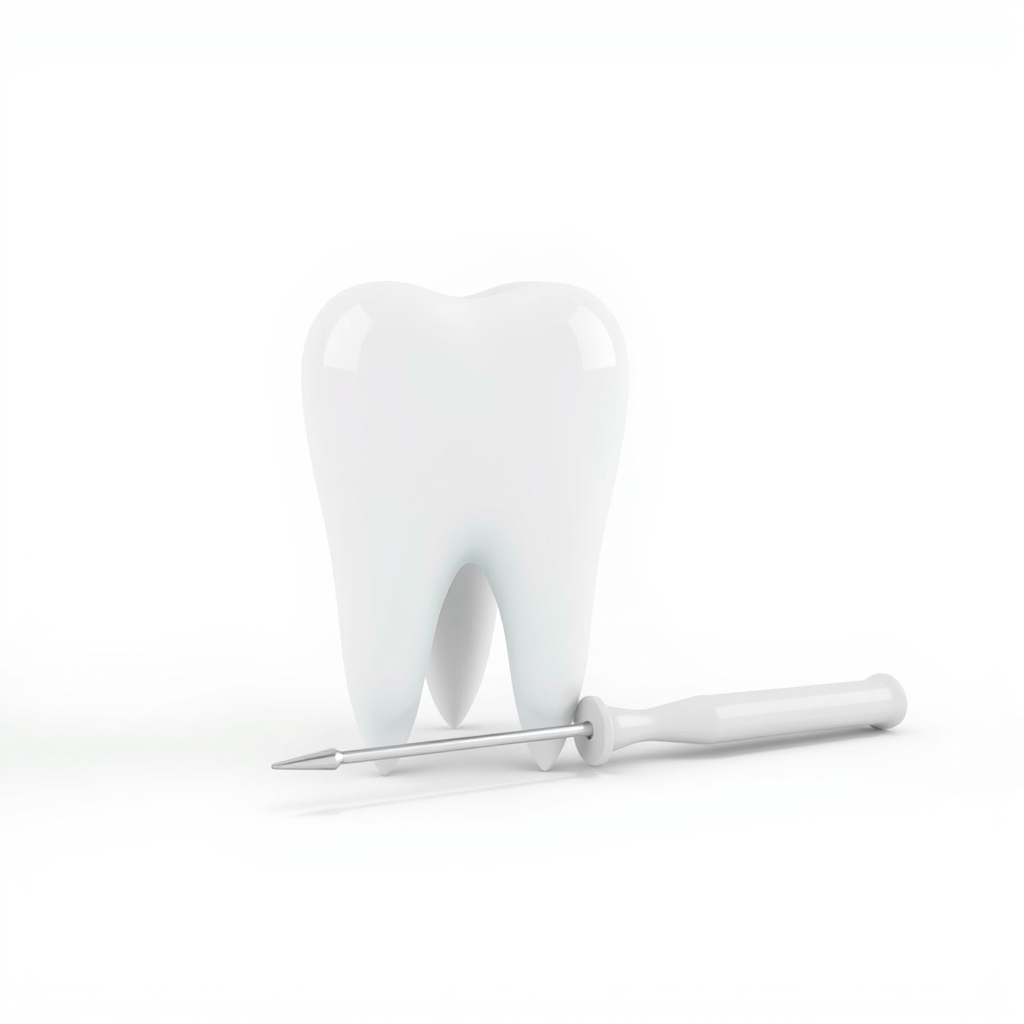
- Scaling: removing plaque and hardened tartar from the tooth surface and from below the gumline, around the root.
- Root planing: smoothing the root surface so that gum tissue can reattach to the tooth and heal more effectively.
A regular cleaning only cleans the visible part of the tooth above the gums. Once bacteria and tartar move below the gumline and start affecting the bone and tissue supporting your teeth, a deeper approach is needed.
Who Needs a Deep Cleaning?
Deep cleaning is usually recommended when a dentist finds signs of gum disease, such as:
- Bleeding gums during brushing or flossing
- Gum pockets deeper than 3-4 mm, measured with a small probe
- Persistent bad breath
- Gums that look red, swollen, or have started to recede
- Mild to moderate bone loss visible on dental X-rays
This stage is known as periodontitis, and it differs from simple gum inflammation (gingivitis), which can often be reversed with a regular cleaning and better home care. Deep cleaning aims to stop the disease from progressing further and protect the teeth from becoming loose over time.
What to Expect During the Procedure
The treatment is usually spread across two to four visits, cleaning one side of the mouth or one quadrant at a time. This allows the gums to be numbed properly and makes the process more comfortable.
Before Treatment
Your dentist will examine your gums, measure pocket depths, and may take X-rays to check the bone level around your teeth.
During Treatment
Local anaesthesia is applied to numb the area. Using hand instruments or an ultrasonic scaler, the dentist removes plaque and tartar from below the gumline, then smooths the root surface. Most patients feel pressure or vibration rather than pain.
After Each Sitting
Your gums may feel tender or slightly swollen for a day or two, which is a normal part of healing.
Pain Level: What It Actually Feels Like
Because the area is numbed first, the procedure itself is generally well tolerated. Mild soreness, sensitivity to hot or cold, or tenderness while chewing can occur afterward, similar to how gums feel after a thorough brushing routine starts for the first time. This usually settles within a few days.
Recovery and Aftercare Tips
Good aftercare helps your gums heal faster and supports long-term results.
- Avoid very hot, cold, spicy, or hard foods for the first one to two days
- Rinse gently with warm salt water if advised by your dentist
- Use a soft-bristled toothbrush and brush gently near the treated areas
- Avoid vigorous flossing in the treated area for a few days if it feels sore
- Take any prescribed medication as directed, including antibiotics if given
- Keep your follow-up visit to check gum healing and pocket depth
Most people return to normal eating and brushing within two to three days.
Typical Cost Range in Sector 15, Gurugram
The cost of scaling and root planing depends on the severity of gum disease, the number of teeth involved, and whether it is done per quadrant or for the full mouth. In Sector 15, Gurugram, the typical range for a full mouth deep cleaning is approximately Rs 3,000 to Rs 10,000, though this can vary based on individual examination findings. Your dentist can give you a clearer estimate after assessing your gums.
Why Follow-Up Matters
Deep cleaning is often the first step, not the final one. Your dentist will likely recommend a follow-up visit four to six weeks later to recheck gum pockets and see how well your tissue has healed. Some patients need periodic maintenance cleanings every three to four months to keep gum disease from returning, especially if there is a history of smoking, diabetes, or poor oral hygiene.
If you have been told you need a deep cleaning, addressing it early is one of the best ways to protect your teeth and gums for the long run. Usha Dental Clinic in Sector 15, Gurugram, can assess your gum health and explain the right next steps for your specific case.
Have questions about your teeth?
Usha Dental Clinic · B6, Vinayak Plaza, Sector 15, Gurugram
Frequently asked questions
Is scaling and root planing painful?
Most patients feel pressure or mild discomfort rather than sharp pain, since local anaesthesia is used to numb the gums beforehand. Some tenderness afterward is normal for a day or two.
How many sittings does deep cleaning take?
It is usually done in two to four visits, treating one side or quadrant of the mouth at a time, though some mild cases may be completed in fewer sittings.
Will my teeth feel loose after deep cleaning?
Teeth may feel slightly more sensitive or seem to have more space between them temporarily because swelling reduces. This is not the same as teeth becoming loose and it settles as gums heal.
How is deep cleaning different from a regular cleaning?
Regular cleaning cleans above the gumline. Deep cleaning reaches below the gumline to remove plaque and tartar from tooth roots and smooths root surfaces to help gums reattach.
Treatment costs mentioned on this page are indicative ranges for the Sector 15, Gurugram region. Your exact cost depends on your case and will be confirmed after a clinical examination at the clinic.