Oral Thrush (Candidiasis): Causes, Symptoms and Treatment
If you have noticed creamy white patches on your tongue, cheeks, or roof of the mouth, along with soreness or a strange taste, you may be dealing with oral thrush. This is a common and treatable fungal infection that we see often at our clinic in Sector 15, Gurugram, especially in patients recovering from illness, wearing dentures, or using certain medications. Here is what it is, why it happens, and how it is treated.
What Is Oral Thrush?
Oral thrush, also called oral candidiasis, is an infection caused by an overgrowth of a yeast called Candida albicans. This yeast naturally lives in small amounts in the mouth, gut, and skin without causing any problems. Thrush develops when something upsets the natural balance of bacteria and yeast in the mouth, allowing the Candida to multiply and form visible patches.
Who Is More Likely to Get It
- Infants and elderly adults, whose immune systems are less robust
- People wearing dentures, especially if they are not cleaned or removed at night
- Patients using inhaled steroids for asthma without rinsing after use
- People who have recently taken antibiotics, which can reduce protective bacteria
- Those with diabetes, dry mouth, or a weakened immune system
- Smokers
Why It Develops in the Mouth
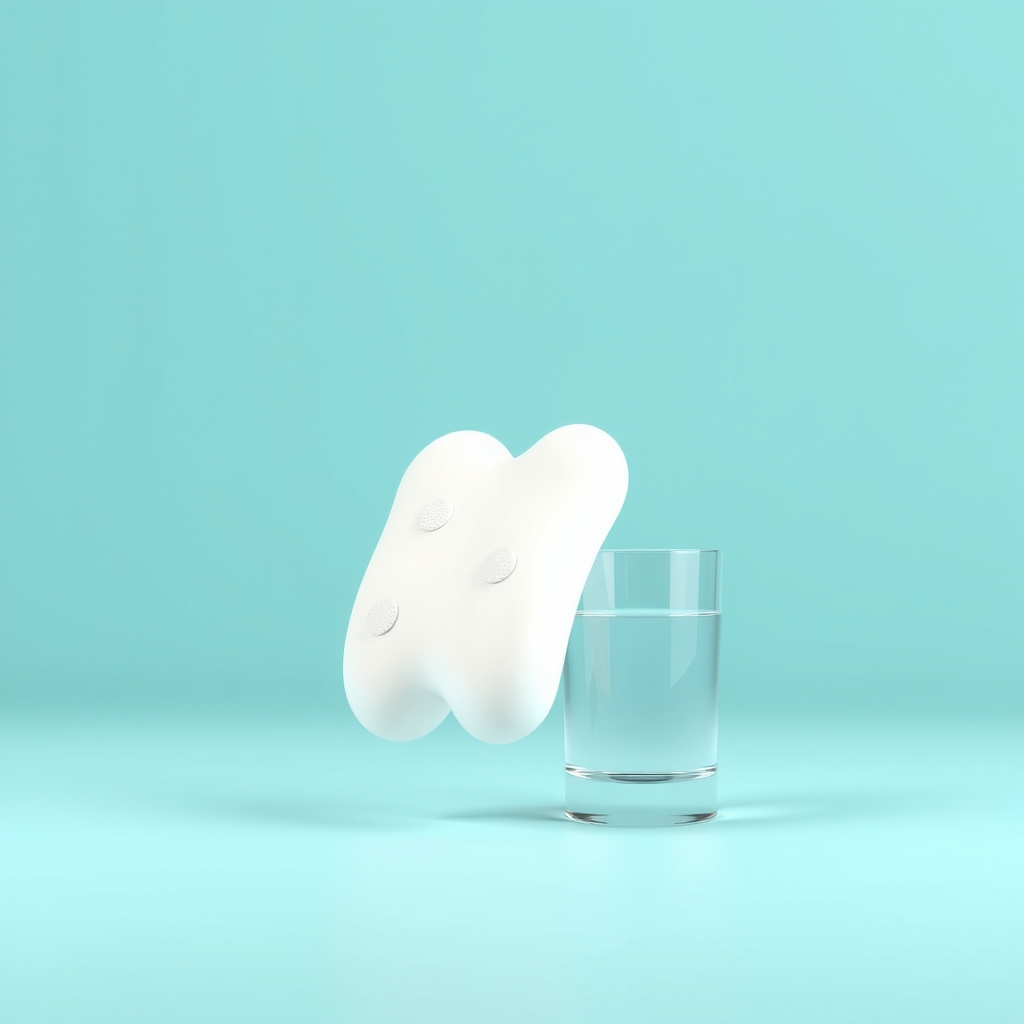
The mouth is naturally warm and moist, which makes it an easy environment for yeast to grow when conditions favour it. Saliva normally helps keep Candida levels in check by washing away food particles and maintaining a balanced oral environment. When saliva flow is reduced, or when antibiotics or steroids disturb the natural microbial balance, Candida can grow unchecked and form the characteristic patches of thrush.
Common Symptoms
- Creamy white or yellowish patches on the tongue, inner cheeks, gums, tonsils, or roof of the mouth
- Slightly raised patches that may bleed a little if scraped or rubbed
- Soreness, burning, or a cotton-like feeling in the mouth
- Loss of taste or an unpleasant taste
- Redness and discomfort under dentures
- Cracking and redness at the corners of the mouth
- Difficulty swallowing in more severe cases
Symptoms can range from mild irritation to significant discomfort, especially when eating spicy or acidic foods.
How It Is Diagnosed
Diagnosis usually starts with a simple visual examination. The appearance of the white patches, along with your medical history and any recent antibiotic use, denture habits, or inhaler use, often gives enough information for a clinical diagnosis. In some cases, your dentist may gently scrape a small sample for testing under a microscope or send it for a culture to confirm the type of yeast involved, particularly if the infection keeps coming back or does not respond to usual treatment.
When Further Testing Is Recommended
- Thrush that returns repeatedly without a clear cause
- Thrush that spreads to the throat or esophagus
- Symptoms in a patient with poorly controlled diabetes or immune concerns
Treatment Options
Treatment focuses on reducing the yeast overgrowth and addressing the underlying cause so the infection does not return.
- Antifungal medication: Prescribed as a gel, lozenge, or liquid rinse to be used directly in the mouth for one to two weeks
- Oral antifungal tablets: Used for more widespread or persistent infections
- Denture care: Cleaning dentures thoroughly, soaking them overnight, and ensuring a proper fit
- Improving oral hygiene: Gentle brushing of the tongue and regular rinsing after meals
- Managing underlying conditions: Better blood sugar control for diabetic patients, or rinsing the mouth after using inhaled steroids
| Treatment | Typical Duration |
|---|---|
| Antifungal gel or rinse | 7 to 14 days |
| Antifungal tablets | 1 to 2 weeks, as advised |
| Denture adjustments | Ongoing care plus follow-up visit |
Most people start feeling relief within a few days of starting treatment, though it is important to complete the full course even if symptoms improve early, to prevent the infection from returning.
When to Visit a Dentist
If you notice persistent white patches, soreness that does not improve, or discomfort while eating, it is worth getting it checked rather than waiting it out. At Usha Dental Clinic in Sector 15, Gurugram, we can examine the affected areas, identify the likely cause, and recommend the right treatment to help you get back to comfortable eating and speaking.
Have questions about your teeth?
Usha Dental Clinic · B6, Vinayak Plaza, Sector 15, Gurugram
Frequently asked questions
Is oral thrush contagious?
It can spread through kissing, sharing utensils, or breastfeeding, but it is not considered a serious contagious illness in healthy people. Those with weak immunity should be more careful.
Can oral thrush go away on its own?
Mild cases in infants sometimes clear up without treatment, but in adults it usually needs antifungal medicine to resolve fully and to prevent it from spreading or recurring.
Does oral thrush mean I have a serious illness?
Not necessarily. It often happens after antibiotics, with dentures, or with inhaler use. Recurring or severe thrush, though, can sometimes point to diabetes or a weakened immune system worth checking.
Can I keep wearing my dentures if I have thrush?
You should clean them thoroughly, leave them out overnight, and have them checked for fit, since ill-fitting or poorly cleaned dentures are a common cause of thrush returning.
Treatment costs mentioned on this page are indicative ranges for the Sector 15, Gurugram region. Your exact cost depends on your case and will be confirmed after a clinical examination at the clinic.