Complete and Partial Dentures: An Overview of Tooth Replacement Options
Losing several teeth can affect the way you eat, speak, and smile with confidence. Dentures remain one of the most trusted and affordable ways to replace missing teeth. If you are exploring your options in Sector 15, Gurugram, this guide explains the types of dentures available, how they work, and who tends to benefit most from each type.
What Are Dentures?
Dentures are removable dental appliances designed to replace missing teeth and restore some of the function and appearance of a natural smile. They are custom made to fit the shape of your gums and remaining teeth, if any. Modern dentures use durable acrylic or a mix of acrylic and metal for a comfortable, natural looking fit.
Types of Dentures
Complete Dentures
Complete dentures are used when all teeth in the upper jaw, lower jaw, or both are missing. They rest directly on the gums and are held in place by natural suction, muscle control, and sometimes a mild denture adhesive.
- Conventional complete dentures: Made after the gums have healed from tooth removal, usually a few weeks to a few months later.
- Immediate complete dentures: Placed on the same day teeth are removed, so you are never without teeth. These often need adjustment or relining later as the gums heal and change shape.
Partial Dentures
Partial dentures are suited for patients who still have some healthy natural teeth. They fill the gaps left by missing teeth and use clasps or attachments to anchor onto the remaining teeth.
- Removable partial dentures: A metal or flexible framework holds replacement teeth in place and can be taken out for cleaning.
- Cast metal partial dentures: Known for durability and a strong, stable fit, often recommended for larger gaps.
- Flexible or acrylic partial dentures: Lighter and more comfortable for some patients, though generally less rigid than metal frameworks.
How Dentures Work
Both complete and partial dentures are custom fitted using impressions of your mouth. The dental team designs the denture to match your natural bite, jaw movement, and facial structure as closely as possible. Complete dentures rely on gum contact and suction, while partial dentures use clasps around existing teeth for extra stability. In both cases, a good fit takes some getting used to, and follow-up visits help fine tune comfort and function.
Who Are Dentures Best Suited For?
| Situation | Suggested Option |
|---|---|
| All teeth missing in one or both jaws | Complete dentures |
| Some healthy teeth remain, few gaps | Partial dentures |
| Needs teeth same day as extraction | Immediate complete dentures |
| Wants stronger chewing support | Cast metal partial dentures |
| Prefers a lighter, more flexible feel | Flexible partial dentures |
Dentures generally suit patients who prefer a non-surgical, removable option, those with limited bone density for implants, and patients looking for a more budget-friendly path to restoring their smile. They are also a practical choice for older adults or anyone wanting a quicker turnaround compared to implant-based treatments.
Caring for Your Dentures
- Clean dentures daily with a soft brush and mild denture cleaner, not regular toothpaste which can be abrasive.
- Remove and rinse dentures after meals to clear food particles.
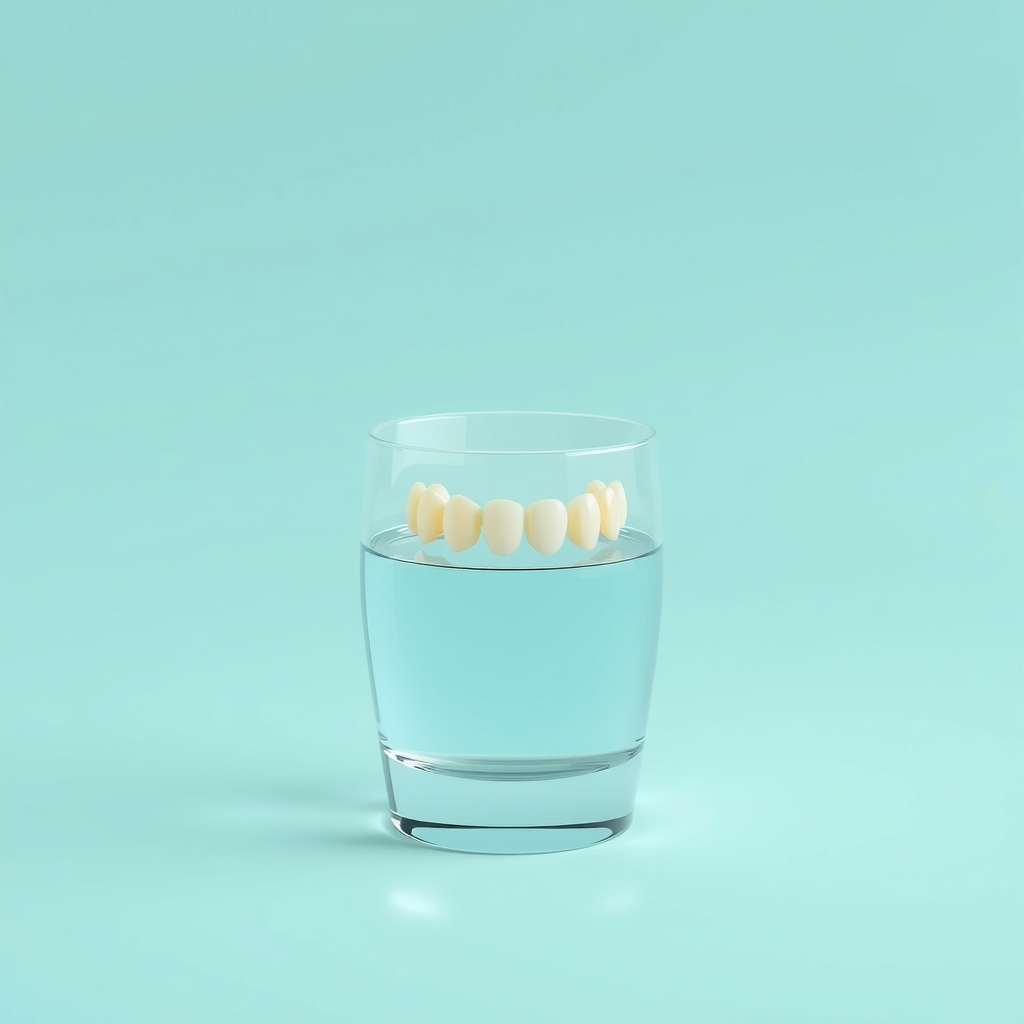
- Store dentures in water or a denture soaking solution overnight.
- Visit your dentist regularly to check the fit, since gums and jawbone can change shape over time.
Cost Considerations
Denture costs vary depending on the material, number of teeth being replaced, and whether it is a complete or partial denture. In Sector 15, Gurugram, the typical range for a partial denture is on the lower end compared to a full set of complete dentures, and cast metal frameworks usually cost more than basic acrylic ones. Your dentist can give you a clearer estimate after an examination, since no two mouths are exactly the same.
Making the Right Choice
Choosing between complete and partial dentures depends on how many teeth you are missing, the health of your remaining teeth and gums, and your personal comfort preferences. A thorough dental examination, including checking your bite and gum health, helps determine the most suitable option for your situation. If you are weighing your choices, the team at Usha Dental Clinic in Vinayak Plaza, Sector 15, can walk you through what would work best for your smile.
Have questions about your teeth?
Usha Dental Clinic · B6, Vinayak Plaza, Sector 15, Gurugram
Frequently asked questions
How long does it take to get used to new dentures?
Most patients need two to eight weeks to adjust to speaking and eating with new dentures. Some soreness and extra saliva in the first few days is normal and usually settles as the mouth adapts.
Can I sleep with my dentures in?
It is generally better to remove dentures at night. This gives your gums a rest and reduces the risk of irritation or fungal infection. Soak them in water or a denture solution while you sleep.
How often do dentures need to be replaced or adjusted?
Dentures typically last five to ten years, but your bite and gum shape change over time, so relines or adjustments every few years are common. Regular dental check-ups help catch fit issues early.
Are dentures better than dental implants?
Neither option is universally better. Dentures are removable and usually cost less upfront, while implants are fixed and often feel more natural. The right choice depends on your bone health, budget, and how many teeth are missing.
Treatment costs mentioned on this page are indicative ranges for the Sector 15, Gurugram region. Your exact cost depends on your case and will be confirmed after a clinical examination at the clinic.