Dental Sealants for Children: A Parent's Guide to Cavity Protection
If your child's dentist has mentioned dental sealants during a checkup, you may be wondering what they are and whether your child really needs them. Sealants are one of the simplest and most effective ways to protect young teeth from cavities, especially in the back molars where most childhood decay starts. Here is what parents in Sector 15, Gurugram should know before deciding.
What Are Dental Sealants?
A dental sealant is a thin, tooth-colored or clear protective coating applied to the chewing surfaces of the back teeth, mainly the molars and premolars. These teeth have natural grooves and pits that are hard to clean with a toothbrush, making them a common spot for cavities in children.
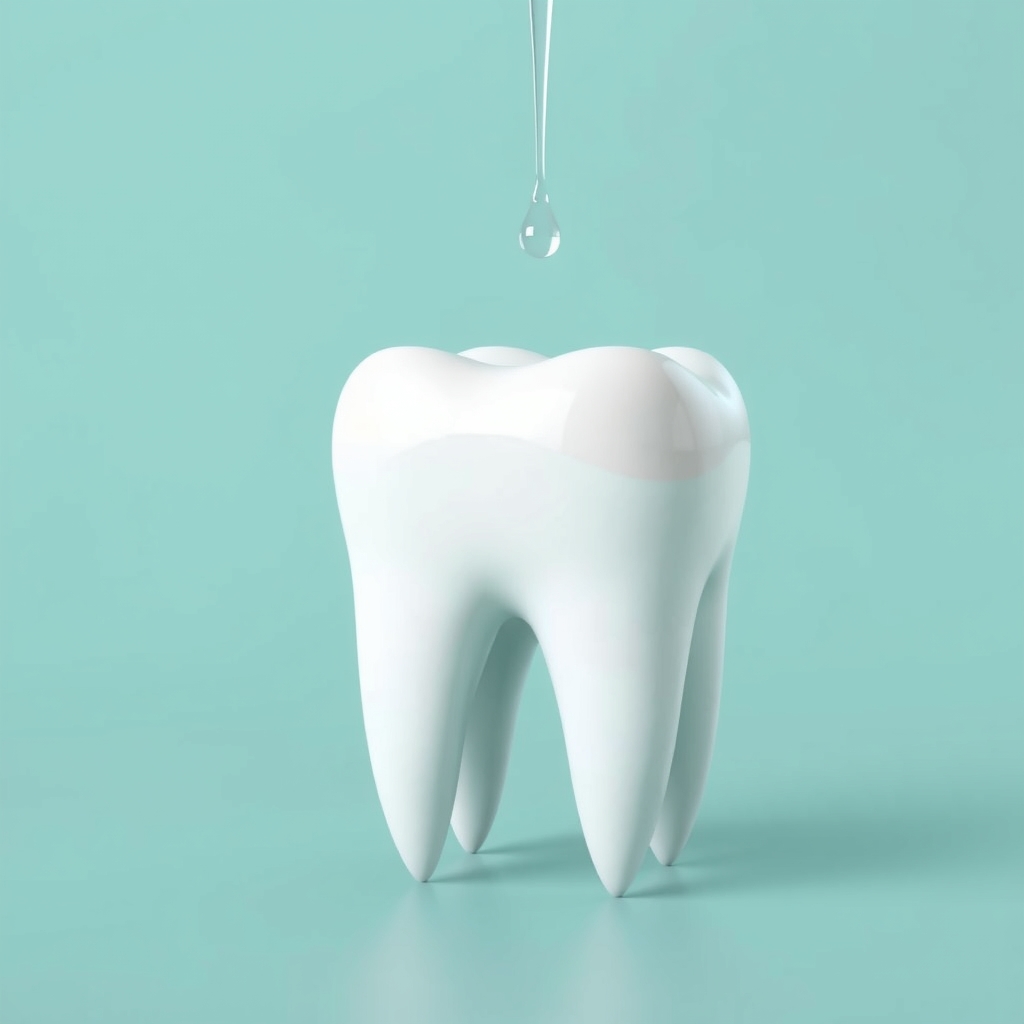
The sealant fills in these grooves, creating a smooth surface that is much easier to keep clean. Think of it as a protective shield that keeps food particles and bacteria from settling into the deep crevices of the tooth.
How Sealants Protect Against Cavities
Children's molars have uneven surfaces with narrow pits that toothbrush bristles often cannot reach fully. Bacteria and food debris can sit in these grooves, leading to early decay. Sealants work by:
- Blocking bacteria and plaque from entering deep grooves
- Making the tooth surface smoother and easier to brush clean
- Reducing the chances of early childhood cavities in molars
- Acting as an added layer of protection alongside fluoride and regular brushing
Sealants are most helpful for the first and second permanent molars, which usually appear around age 6 and age 12.
The Application Process
Getting sealants done is quick, painless, and does not require any drilling or numbing. A typical visit involves these steps:
- The tooth surface is cleaned and dried thoroughly
- A mild gel is applied briefly to help the sealant bond well, then rinsed off
- The tooth is dried again
- The sealant material is painted onto the grooves of the tooth
- A special light is used to harden the sealant within seconds
The entire process for one tooth usually takes just a few minutes. Most children find it comfortable and can go straight back to school or play afterward.
How Long Do Sealants Last?
Dental sealants are durable but not permanent. With normal use, they typically last several years before they may wear down or need a touch-up. Your child's dentist will check the sealants during routine checkups and reapply them if needed.
Factors that affect how long sealants last include the child's chewing habits, diet, and how well the teeth are cleaned at home. Avoiding hard foods like ice or hard candies on sealed teeth can help them last longer.
Who Should Consider Sealants?
Sealants are recommended mainly for:
- Children with deep grooves or pits in their molars
- Children who have had cavities in baby teeth
- Kids who find it difficult to brush back teeth thoroughly
Your dentist can examine your child's teeth and let you know if sealants are a good fit.
Typical Cost of Dental Sealants
The cost of sealants depends on the number of teeth being treated and the material used. In Sector 15, Gurugram, the typical range for sealants per tooth is generally modest compared to treating an actual cavity later. Preventive care like this is usually far more affordable than fillings or other restorative treatments down the line. For an accurate estimate based on your child's specific needs, it is best to consult with a dentist directly.
| Aspect | Details |
|---|---|
| Best age for first molars | Around 6 years |
| Best age for second molars | Around 12 years |
| Procedure time | A few minutes per tooth |
| Pain involved | None, no drilling or anesthesia needed |
| Average lifespan | Several years, with periodic checks |
Caring for Sealed Teeth
Even with sealants, your child still needs good oral hygiene habits. Continue with:
- Brushing twice daily with fluoride toothpaste
- Regular flossing to clean between teeth
- Limiting sugary snacks and drinks
- Routine dental checkups every six months
Sealants work best as part of a complete prevention plan, not as a standalone solution. Regular visits also allow your dentist to spot any wear on the sealants early and touch them up before cavities can form.
If you are considering sealants for your child or want to know if their molars are due for one, a simple checkup can help decide the best step forward.
Have questions about your teeth?
Usha Dental Clinic · B6, Vinayak Plaza, Sector 15, Gurugram
Frequently asked questions
At what age should my child get dental sealants?
Most children get sealants soon after their permanent first molars come in, usually around age 6, and again around age 12 when the second molars arrive. Your dentist will check if your child's teeth are ready.
Are dental sealants safe for children?
Yes. Sealants have been used safely for decades. The material used is a thin, tooth-colored coating, and the application does not involve drilling or removing tooth structure.
Do sealants replace the need for brushing and flossing?
No. Sealants protect the chewing surfaces of molars, but your child still needs to brush twice daily and floss to protect the sides of teeth and gums.
Will my child feel pain during sealant application?
No. The process is painless and does not require anesthesia or drilling. Most children sit through it comfortably in one short visit.
Treatment costs mentioned on this page are indicative ranges for the Sector 15, Gurugram region. Your exact cost depends on your case and will be confirmed after a clinical examination at the clinic.