Dental Bridges: A Complete Guide to Types, Procedure, and Alternatives
Missing a tooth affects more than just your smile. It can change how you chew, put extra pressure on neighbouring teeth, and even affect your speech over time. A dental bridge is one of the most reliable and time-tested ways to fill that gap. This guide explains what bridges are, the types available, how the procedure works, and how they compare with implants and dentures, so you can make an informed choice.
What Is a Dental Bridge?
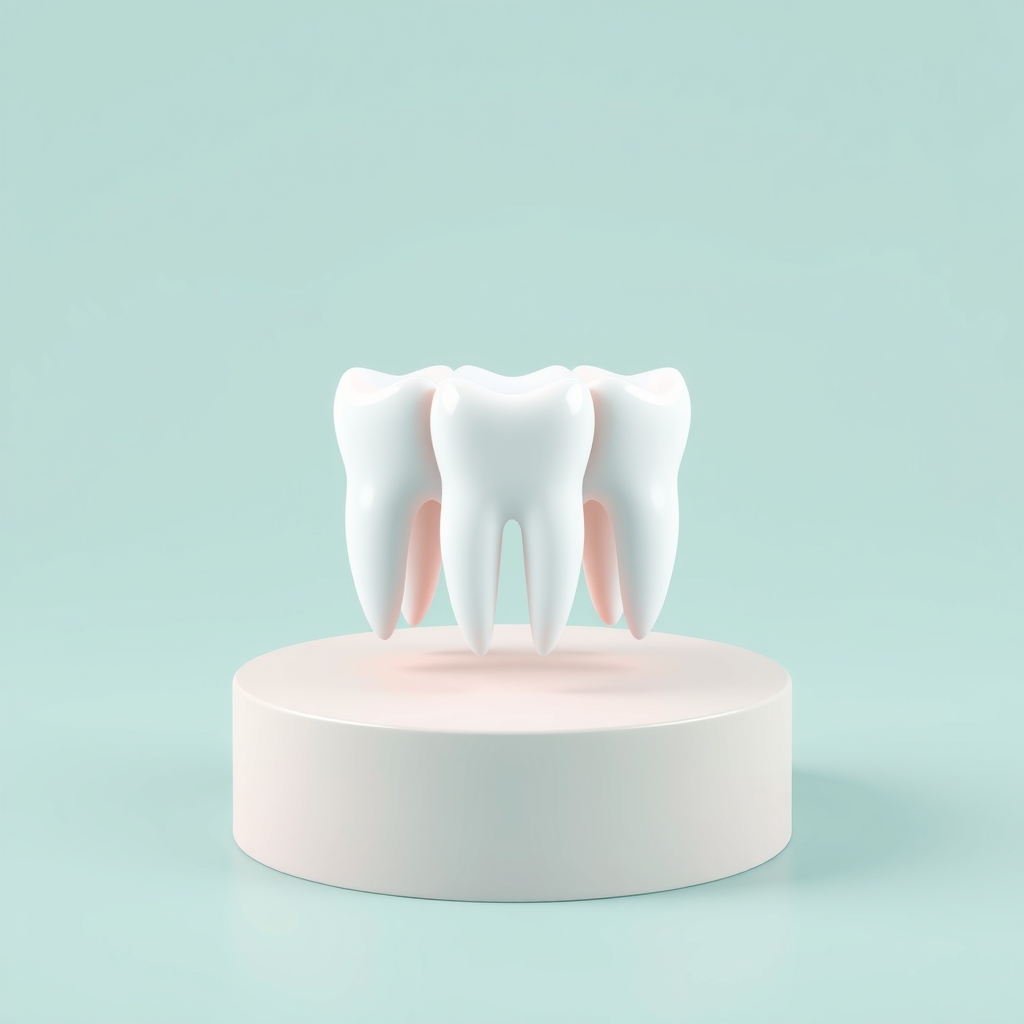
A dental bridge is a fixed restoration that replaces one or more missing teeth by anchoring artificial teeth, called pontics, to the natural teeth or implants on either side of the gap. Unlike removable dentures, a bridge is cemented in place and functions much like your natural teeth once it settles in.
Types of Dental Bridges
Traditional Bridge
This is the most common type. It uses crowns placed on the teeth adjacent to the gap to support a pontic in between. It works well when the neighbouring teeth are healthy and strong enough to support the bridge.
Cantilever Bridge
Used when there is only one supporting tooth available, usually on one side of the gap. It is less common today because it can place uneven pressure on the supporting tooth, but it remains useful in specific situations.
Maryland Bridge
This type uses a metal or porcelain framework bonded to the back of adjacent teeth instead of full crowns. It is a more conservative option since it preserves more of the natural tooth structure, though it may not be as strong as a traditional bridge.
Implant-Supported Bridge
Instead of relying on natural teeth, this bridge is anchored to dental implants placed in the jawbone. It is a good option when several teeth are missing in a row and the surrounding teeth are not suitable for support.
How the Placement Procedure Works
- Your dentist examines the area, takes X-rays, and checks whether the adjacent teeth or jawbone can support a bridge.
- For a traditional or cantilever bridge, the supporting teeth are gently reshaped to make room for crowns.
- An impression or digital scan is taken to create a custom-fit bridge at a dental lab.
- A temporary bridge is placed to protect the reshaped teeth while the permanent one is being made.
- Once ready, the permanent bridge is checked for fit and bite, then cemented securely in place.
The entire process usually takes two to three visits spread over a couple of weeks, depending on lab turnaround and whether any preparatory treatment is needed.
Bridges vs Implants vs Dentures
Each option has its place depending on your oral health, the number of missing teeth, and your long-term goals.
| Factor | Dental Bridge | Dental Implant | Denture |
|---|---|---|---|
| Best for | One or few missing teeth with healthy neighbours | Single or multiple missing teeth with adequate bone | Multiple or all missing teeth |
| Support | Adjacent natural teeth or implants | Jawbone directly | Gums, sometimes clasped to teeth |
| Fixed or removable | Fixed | Fixed | Removable |
| Impact on neighbouring teeth | Requires reshaping adjacent teeth | No impact on adjacent teeth | Minimal to none |
| Typical lifespan | 10 to 15 years | 15 to 25 years or longer | 5 to 8 years |
If you have strong, healthy teeth next to the gap, a bridge can be a practical and cost-effective solution. If you would rather avoid altering healthy teeth and have sufficient jawbone, an implant may be worth considering. Dentures are usually recommended when several teeth are missing across the jaw and a fixed option is not feasible right away.
What Does It Typically Cost?
Costs vary based on the type of bridge, the material used, and the number of teeth involved. In Sector 15, Gurugram, a traditional three-unit bridge typically ranges from Rs 15,000 to Rs 45,000, while implant-supported bridges can typically range from Rs 40,000 to Rs 1,20,000 or more depending on the number of implants needed. These are general estimates, and your dentist can give you a clearer picture after an examination.
Caring for Your Bridge
- Brush twice daily and use a floss threader or interdental brush to clean under the pontic.
- Avoid biting down on very hard foods like ice or hard candy.
- Visit your dentist for regular check-ups to monitor the supporting teeth and the fit of the bridge.
Choosing the right tooth replacement option depends on your specific dental condition and personal preferences. A thorough examination is the best way to know which option, bridge, implant, or denture, suits you best. The team at Usha Dental Clinic in Sector 15, Gurugram is happy to guide you through this decision based on your oral health and goals.
Have questions about your teeth?
Usha Dental Clinic · B6, Vinayak Plaza, Sector 15, Gurugram
Frequently asked questions
How long does a dental bridge last?
With good oral hygiene and regular dental visits, a traditional bridge typically lasts 10 to 15 years, and sometimes longer. Its lifespan depends on the health of the supporting teeth and how well you care for it.
Is getting a dental bridge painful?
The procedure is done under local anaesthesia, so you should not feel pain during placement. Mild sensitivity or soreness in the treated area for a few days afterward is normal and manageable with basic care.
Can I eat normally with a dental bridge?
Yes. Once your bridge is fully fitted and you adjust to it over the first week or two, you can chew most foods normally. It is still wise to avoid very hard or sticky foods to protect the restoration.
Do I need to replace my bridge with an implant later?
Not necessarily. A well-maintained bridge can serve you for many years without needing replacement. The choice between a bridge and an implant depends on your oral health, budget, and long-term goals, which we can discuss during a check-up.
Treatment costs mentioned on this page are indicative ranges for the Sector 15, Gurugram region. Your exact cost depends on your case and will be confirmed after a clinical examination at the clinic.