Why Bottle-Feeding Can Cause Early Childhood Cavities (And How to Prevent It)
If you have noticed brown or black spots on your toddler's front teeth, you are not alone. Many parents in Sector 15, Gurugram bring their little ones to us with the same worry. This condition is called early childhood caries, and it is one of the most common dental problems in children under 5 years old. The good news is that it is largely preventable once you understand what causes it.
What Is Early Childhood Caries
Early childhood caries (ECC) refers to cavities that appear in the teeth of infants and toddlers, often on the upper front teeth first. It happens when teeth are exposed to sugary liquids for long periods, especially during sleep when saliva flow is low and the mouth cannot naturally clean itself.
How Bottle-Feeding Leads to Cavities
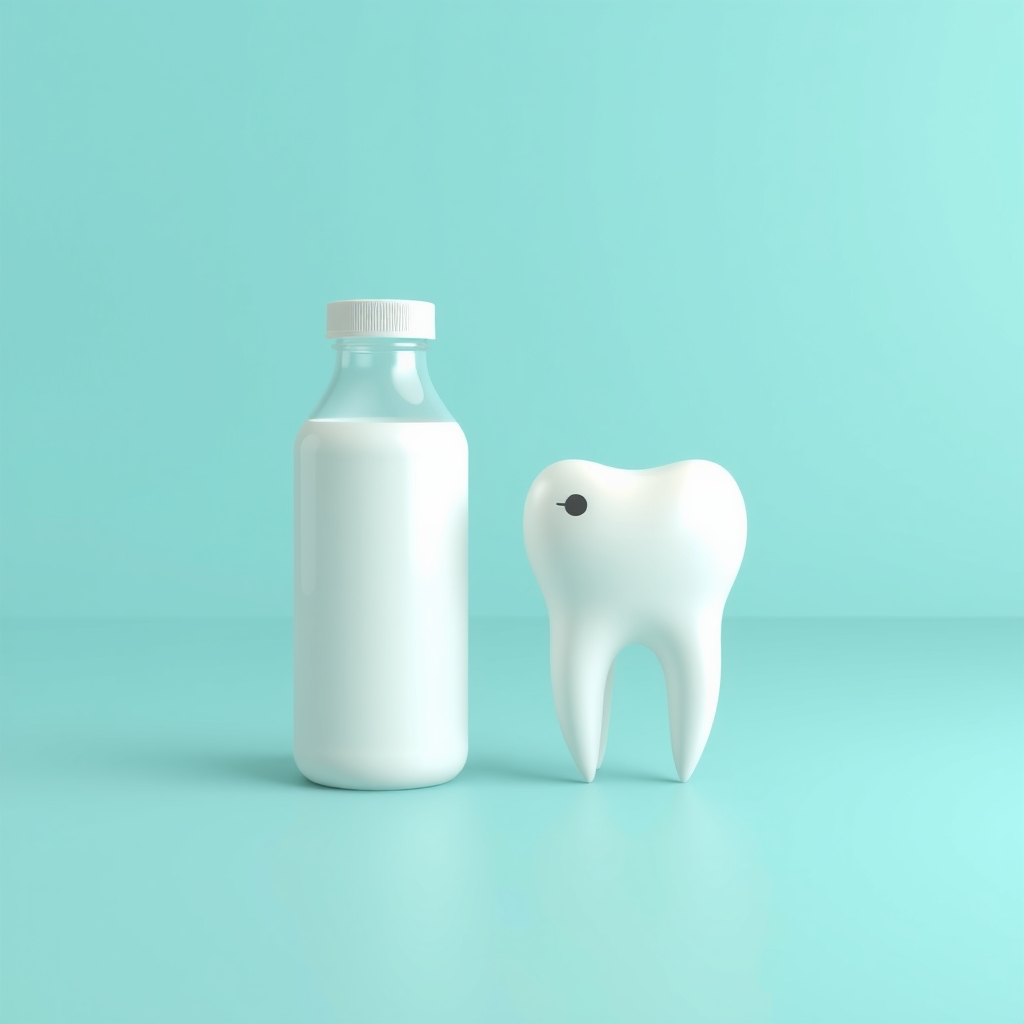
Milk, formula, fruit juice, and even flavoured water all contain natural or added sugars. When a baby sips on a bottle through the day or falls asleep with one in the mouth, the liquid pools around the teeth. Bacteria in the mouth feed on this sugar and produce acid, which slowly wears away the enamel. Because the front teeth are in contact with the bottle's nipple the longest, they are usually affected first and worst.
Why Nighttime Feeding Is Riskier
During sleep, we produce less saliva, which is the mouth's natural defence against acid. This means any sugary liquid left in the mouth overnight has much more time to damage the enamel compared to daytime feeding, when swallowing and saliva help wash it away faster.
Sippy Cups Are Not Always Safer
Many parents switch to sippy cups thinking they are a safer alternative, but if the cup is filled with juice or sweetened milk and sipped throughout the day, the risk remains similar. The key factor is not the container but the frequency and duration of sugar exposure.
Signs Parents Should Watch For
- White chalky patches near the gum line on front teeth
- Brown or black spots or lines on the teeth
- Visible pits or holes in the tooth surface
- Your child complaining of pain while eating or drinking cold items
- Bad breath that does not improve with brushing
White patches are often the earliest warning sign and can sometimes still be reversed with proper care. Brown or black spots usually mean the decay has progressed and needs professional attention.
How Parents Can Prevent It
- Avoid putting your baby to sleep with a bottle. If needed, use only plain water in the bottle at bedtime.
- Finish feeds before sleep, not during. Try to complete the feed while your baby is still awake, then clean the gums or teeth before putting them down.
- Limit juice and sugary drinks. The American Academy of Pediatrics recommends avoiding fruit juice for babies under 1 year and limiting it afterward.
- Wipe gums after every feed in infants. Use a clean, damp cloth to gently wipe the gums even before teeth erupt.
- Start brushing as soon as the first tooth appears. Use an age-appropriate amount of fluoride toothpaste twice daily.
- Transition from bottle to open cup by 12 to 18 months. This reduces prolonged sipping habits.
- Schedule a first dental visit by age 1. Early checkups help catch problems while they are still small and manageable.
Treatment Options If Cavities Have Already Formed
Treatment depends on how advanced the decay is. Early white spot lesions may respond to fluoride applications and improved home care. Deeper cavities may need fillings, and in more severe cases, a crown or extraction may be necessary to prevent infection from spreading. Our dentists at Usha Dental Clinic assess each child individually and always choose the most conservative option possible.
| Stage | What It Looks Like | Typical Range (Sector 15, Gurugram) |
|---|---|---|
| White spot lesions | Chalky white patches, no cavity yet | ₹500 to ₹1,500 per visit (fluoride treatment) |
| Early cavity | Small brown spot or shallow pit | ₹800 to ₹2,500 per tooth (filling) |
| Advanced decay | Large cavity, possible pain | ₹2,500 to ₹6,000 per tooth (crown or pulp treatment) |
These figures are a typical range only and the exact cost depends on your child's specific condition, which we can discuss during an in-person consultation.
A Gentle Reminder for Parents in Sector 15
Early childhood caries is common, but it is not inevitable. Small daily habits, like avoiding bedtime bottles and starting brushing early, make a big difference. If you have already noticed spots on your child's teeth, do not wait for them to worsen. Early treatment is simpler, gentler, and far less stressful for both you and your little one.
Have questions about your teeth?
Usha Dental Clinic · B6, Vinayak Plaza, Sector 15, Gurugram
Frequently asked questions
My toddler has brown spots on the front teeth. Is it too late to fix it?
No, it is not too late. Early childhood caries can often be stopped from spreading further if treated early. Please bring your child to our clinic as soon as you notice any discolouration so we can assess the extent and suggest the right treatment.
Is it okay to give my baby a bottle of milk to fall asleep?
It is best avoided. If your baby needs a bottle to settle at night, try to finish the feed before they fall fully asleep and wipe the gums or brush the teeth afterward. Water is the only safe liquid to leave in a bottle overnight.
Are baby teeth even important if they will fall out anyway?
Yes, very important. Baby teeth hold space for permanent teeth, help with speech and chewing, and severe decay can cause pain, infection, and affect the adult teeth developing underneath.
When should I start brushing my child's teeth?
As soon as the first tooth appears, usually around 6 months. Use a rice-grain amount of fluoride toothpaste for children under 3 years and a pea-sized amount for ages 3 to 6, with adult supervision.
Treatment costs mentioned on this page are indicative ranges for the Sector 15, Gurugram region. Your exact cost depends on your case and will be confirmed after a clinical examination at the clinic.