How Air Pollution Affects Your Teeth and Gums in Gurugram
Every winter, Gurugram and the wider Delhi-NCR region deal with thick smog and poor air quality. Most people know this affects the lungs, eyes, and skin. Fewer people realise that polluted air can also affect oral health. At Usha Dental Clinic in Sector 15, Gurugram, we see a noticeable rise in certain mouth-related complaints during high-pollution months, and it is worth understanding why.
How Air Pollution Affects the Mouth
The mouth is one of the first points of contact with the air we breathe. When pollution levels rise, fine particulate matter (PM2.5 and PM10), ozone, and other pollutants can settle on the teeth, gums, and soft tissues. Over weeks and months of exposure, this can contribute to several oral health issues.
1. Dry Mouth
High pollution often leads to more mouth breathing, especially when nasal passages feel blocked or irritated by smog. Breathing through the mouth dries out saliva faster than normal. Saliva is important because it washes away food particles, neutralises acids, and helps prevent decay. Reduced saliva flow means the mouth loses some of this natural protection, making teeth and gums more vulnerable.
2. Gum Inflammation
Studies on urban pollution have linked fine particulate exposure to increased inflammation in body tissues, including the gums. Pollutants can irritate gum tissue directly, and when combined with reduced saliva and dry mouth, the gums may become more prone to redness, swelling, and bleeding, a condition commonly known as gingivitis.
3. Increased Cavity Risk
Less saliva means less natural rinsing action in the mouth. Food particles and bacteria can stick around longer, increasing the chance of plaque build-up and tooth decay. People who already have a sweet tooth or inconsistent brushing habits may notice this effect more during smog season.
4. Bad Breath
Dry mouth caused by pollution exposure can also lead to persistent bad breath, since saliva normally helps control the bacteria responsible for odour.
| Pollution-Related Issue | Possible Oral Effect |
|---|---|
| Mouth breathing due to blocked nose | Dry mouth, reduced saliva protection |
| Fine particulate matter (PM2.5/PM10) | Gum irritation and inflammation |
| Reduced saliva flow | Higher cavity and plaque risk |
| Bacterial build-up from dryness | Persistent bad breath |
Practical Tips for Gurugram Residents
You cannot control the air outside, but you can take steps to protect your mouth during high-pollution days.
- Stay hydrated: Drinking enough water throughout the day helps keep saliva flow steady, even if you have been outdoors.
- Rinse after outdoor exposure: A simple water rinse after spending time outside, especially after commuting or exercising, can help remove settled particulate matter from the mouth.
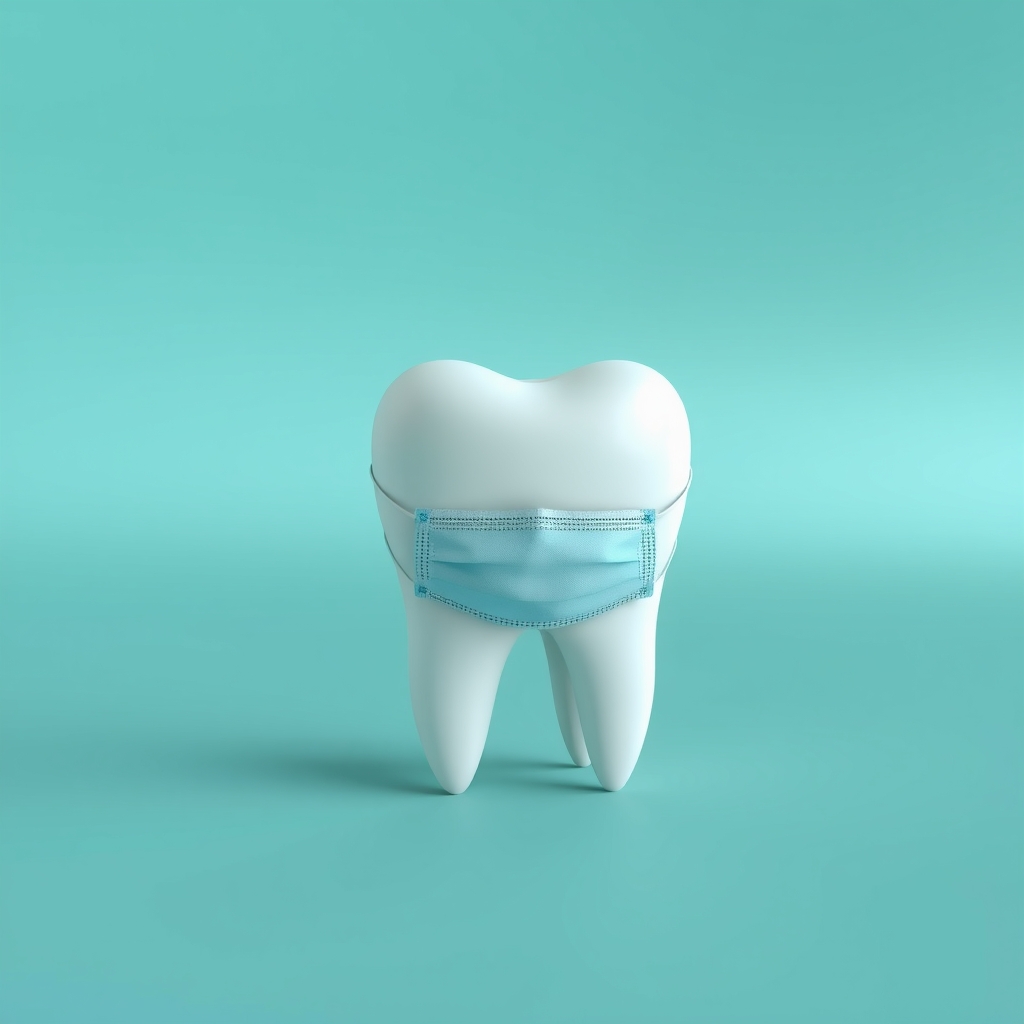
- Use a well-fitted mask: Reducing the amount of polluted air you breathe through the mouth also reduces direct irritation to your gums and oral tissues.
- Avoid excessive mouth breathing: If you have nasal congestion, treating it (with guidance from a doctor if needed) can reduce the dryness caused by breathing through your mouth.
- Stick to a consistent oral care routine: Brushing twice daily with fluoride toothpaste and flossing once a day remains your best defence, particularly when your mouth's natural defences are under extra strain.
- Limit sugary snacks and drinks: With saliva doing less work to protect your teeth, cutting back on sugar during smog-heavy months can lower cavity risk.
- Consider a fluoride or antibacterial mouth rinse: This can give extra protection to gums and teeth when saliva flow is reduced. Ask your dentist which type suits you.
When to See a Dentist
If you notice ongoing dry mouth, gums that bleed easily, new sensitivity, or persistent bad breath that does not improve with better hydration and oral hygiene, it is worth getting checked. These symptoms can have several causes, and a dental check-up helps rule out or catch early gum disease and decay before they progress.
Residents in and around Sector 15, Gurugram dealing with smog-related dry mouth or gum concerns can visit Usha Dental Clinic at B6, Vinayak Plaza for an assessment. Regular check-ups every six months are especially useful during the high-pollution months of late autumn and winter, when oral tissues are under more stress than usual.
Have questions about your teeth?
Usha Dental Clinic · B6, Vinayak Plaza, Sector 15, Gurugram
Frequently asked questions
Can air pollution really cause cavities?
Pollution does not directly cause cavities, but it reduces saliva flow and increases mouth breathing, both of which raise cavity risk over time.
Does wearing a mask help protect my mouth too?
Yes. A well-fitted mask reduces the amount of particulate matter you breathe in through your mouth and nose, which can lessen dryness and irritation.
Is bad breath during smog season related to pollution?
It can be. Dry mouth caused by pollution and mouth breathing reduces natural cleansing, which allows odour-causing bacteria to build up.
Should I change my dental routine during high AQI days?
Simple steps help: rinse your mouth after outdoor exposure, stay hydrated, and keep up with brushing, flossing, and regular check-ups at your dental clinic.
Treatment costs mentioned on this page are indicative ranges for the Sector 15, Gurugram region. Your exact cost depends on your case and will be confirmed after a clinical examination at the clinic.